


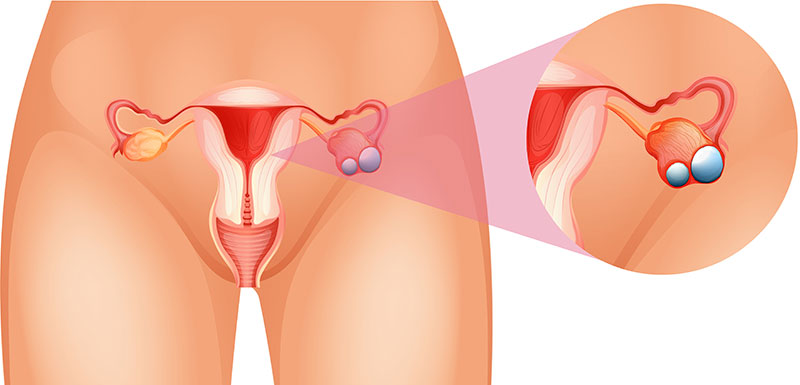
PCOS and ovarian cancer are two very different conditions and it’s easy to get confused among them. Both affect the female reproductive system and can sometimes cause symptoms such as period changes, pelvic pain or bloating.
Are women with PCOS at increased risk of ovarian cancer? And how do you know the difference? Let’s understand the basics.
What Is PCOS?
Polycystic ovary syndrome (PCOS) affects women during their reproductive years. It is a hormonal condition that results in the formation of small cyst-like structures in or around the ovaries, causing the ovaries to enlarge and
The most common symptoms of PCOS are:
- Missed or no periods
- Increase in weight
- Excess hair of the face or body
- Thinning or loss of hair
- Difficulty conceiving
PCOS isn’t cancer. But it is a condition that needs to be medically treated properly and managed long term.
What Is Ovarian Cancer?
Ovarian cancer begins in the cells of the ovaries. Unlike PCOS, it involves abnormal cells that can grow and form a tumour. Ovarian cancer may not cause any noticeable symptoms or only a few, in the beginning. When they do occur, the symptoms may sometimes are so common to be mistaken for other conditions
Symptoms may include:
- Continued distension
- Pelvic pressure or pain
- Back pain
- Weight loss with no obvious reason
- Bloating
- Fatigue
- Frequent urination
- Decreased appetite
- Change of period
- Painful intercourse
- Abnormal vaginal discharge or bleeding
It is not a fact that you have cancer if you have one of these symptoms. But if you have any persistent or unusual symptoms, you should get them checked out by a specialist.
PCOS vs Ovarian Cancer: What Is the Difference?
The biggest difference is that PCOS is a hormonal disorder, and ovarian cancer is a malignant disease. PCOS generally affects women of reproductive age and ovarian cancer is more common in older women. PCOS is associated with cysts related to the ovulation whereas ovarian cancer is the abnormal growth of tumors.
There can still be some similarities. Both conditions may be associated with menstrual changes, pelvic pain or bloating. This is why symptoms alone cannot always tell you which condition is present. If an ovarian mass is suspected or if symptoms persist, further medical evaluation may be needed.
Does PCOS Increase the Risk of Ovarian Cancer?
The evidence is still inconclusive but research is still being done to find out if women with PCOS are at a higher risk of ovarian cancer. So just because you have PCOS does not mean you will get ovarian cancer.
Good PCOS management is important for your overall health. Follow your doctor's treatment plan to keep your condition under control.
When Should You See a Gynecologist?
If you have irregular periods, trouble getting pregnant or symptoms related to hormonal changes, it’s worth talking to a gynecologist.
You should also consult your gynecologist if you have persistent bloating, pelvic pain, unexplained weight loss, changes in your periods or other symptoms that are unusual for you for a number of weeks. It is important to know the cause and not assume that every symptom is due to PCOS.
Why Book an Appointment with Dr. Kanika Batra Modi?
If the ovarian condition is a concern, the right specialist can help you feel confident and clear. Dr. Kanika Batra Modi is a gynecologic oncologist with considerable experience in the diagnosis and management of gynecological cancers including ovarian cancer.
She ensures she knows what each patient suffers from and then offers a treatment that is fit for the individual. Expert consultation can help you to understand the condition and plan accordingly if you have persistent symptoms, an ovarian mass or are concerned about ovarian cancer.
Don’t let confusion create unnecessary fear.