


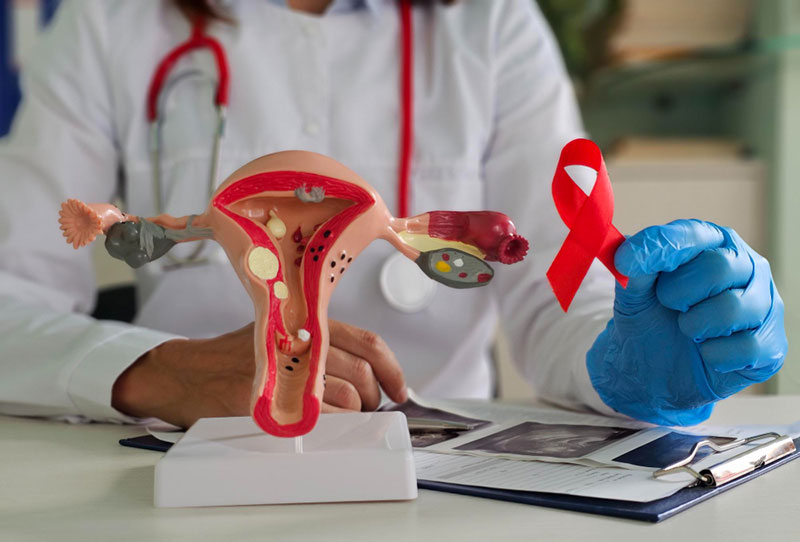
When we hear the word “cancer,” it is natural to feel worried. But knowing what to look for can really help you. Gynecologic cancers are cancers of the female reproductive system. Knowing the warning signs, risk factors and prevention can help women to act quickly.
Below are five important facts about gynecologic cancer that every woman should know.
1. Gynecologic Cancer Is of Different Types
Term “gynecologic cancer” covers several different cancers affecting the female reproductive organs.
Five main types of gynecologic cancer are:
- Cervical cancer
- Vaginal cancer
- Ovarian cancer
- Vulvar cancer
- Uterine or endometrial cancer
Each type of gynecologic cancer is different and may have different risk factors, symptoms and treatment options. What really matters is the early detection that can improve the chances of successful treatment.
2. Gynecological Cancer Symptoms Are Easy to Ignore
Sometimes, gynecologic cancers are diagnosed late because their early symptoms can be similar to those of common health problems. You should be looking for changes that are not normal for you, for example:
- Abnormal vaginal discharge or bleeding
- Pelvic pain
- Feeling of bloating or over-full for a long time
- Painful sex
- Changes in your stool
These signs do not have to mean cancer. But if anything seems strange or goes on for no reason, it's best to get it checked rather than ignore it.
3. Women Can Be Diagnosed with Gynecologic Cancer at Different Ages
Gynecologic cancers are not restricted to older women, but age is one of the factors that can play a role in the risk of this cancer. Risks can also be associated with factors such as HPV infection, excess weight, tobacco use, use of certain contraceptives, HIV infection and family history. Some of the risk factors are unchangeable, while others can be changed with healthier lifestyle habits and proper preventive care.
4. You Can Reduce Your Risk
While you can’t prevent every gynecologic cancer, there are things you can do to help lower your risk or catch some cancers early. Preventive care may include appropriate screening for cervical cancer and vaccination against HPV, depending on your age and your individual risk. Regular physical activity, a healthy lifestyle and knowing your family history are also important components of women’s health. Regular gynaecological check-ups can also help you discuss any unusual symptoms or concerns with your specialist.
5. The Importance of Knowing Your Family’s History
Your family tree can provide useful information about your risk for cancer. If you have close relatives who have had certain types of cancer, letting your doctor know might help decide if you need any extra testing or genetic counselling. This does not mean you will get cancer if you have a family history of cancer. It just gives your doctor one more important piece of information to consider when they are determining your overall risk.
Why Book an Appointment with Dr. Kanika Batra Modi?
If one is suspected or diagnosed with gynecologic cancer, then getting care from a specialist in gynaecologic oncology can help understand the condition and treatment options clearly. Dr. Kanika Batra Modi is a gynaecologic oncologist with immense expertise in cervical, ovarian, endometrial, vaginal and vulvar cancers, as well as minimally invasive, robotic and complex cancer surgery.
If you notice unusual symptoms or have concerns about your risk of gynecologic cancer, timely medical evaluation can help you understand what is happening and what needs to be done immediately.
When it comes to gynecologic cancer, early awareness can really help.